
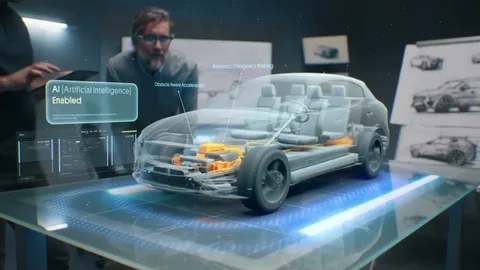
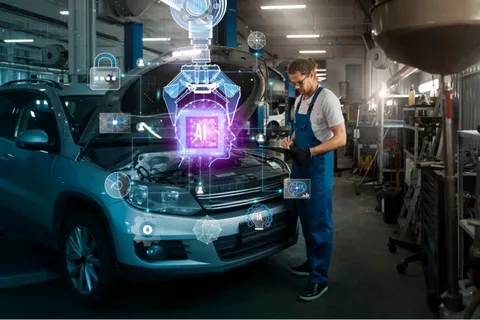
How AI Is Revolutionizing Engine Control Systems
The automotive industry is undergoing a massive transformation, and at the center of this change is artificial intelligence (AI). Engine control systems, once purely mechanical and later electronic, are now becoming intelligent, adaptive, and data driven. This shift is redefining how vehicles perform, optimize fuel efficiency, and reduce emissions.
Understanding how AI is revolutionizing engine control systems reveals why modern vehicles are becoming smarter, more efficient, and more reliable than ever before. From real time adjustments to predictive maintenance, AI is shaping the future of automotive engineering.
What Are Engine Control Systems?
Engine control systems are the brain of a vehicle, responsible for managing engine performance, fuel injection, and emissions. With the integration of AI, these systems are evolving beyond simple programmed responses.
Traditional Engine Control Units (ECUs)
Traditional ECUs rely on predefined rules and static programming. They process sensor inputs and adjust engine parameters accordingly, but their adaptability is limited.
Exploring adaptive engine control technology highlights how modern systems are moving beyond rigid programming toward intelligent decision making. This evolution is crucial for meeting today’s performance demands.
The Need for Smarter Systems
As vehicles become more complex, traditional systems struggle to keep up with dynamic driving conditions. AI introduces the ability to learn, adapt, and optimize in real time.
This need for smarter systems is driving the adoption of AI powered engine control solutions across the automotive industry.
The Role of AI in Engine Control Systems
Artificial intelligence enhances engine control systems by enabling data driven decision making. It allows vehicles to analyze vast amounts of data and adjust performance instantly.
Real Time Data Processing
AI systems process data from multiple sensors, including temperature, pressure, speed, and fuel levels. This allows for immediate adjustments to optimize performance.
Understanding real time engine monitoring systems shows how AI ensures precise control under varying conditions. This improves both efficiency and reliability.
Machine Learning Algorithms
Machine learning enables engine control systems to learn from past data and improve over time. These systems become more accurate and efficient with continuous use.
This learning capability sets AI apart from traditional systems. It allows engines to adapt to driver behavior and environmental conditions.
Benefits of AI in Engine Control Systems
The integration of AI brings numerous advantages, making engine control systems more efficient, reliable, and intelligent.
Improved Fuel Efficiency
AI optimizes fuel injection and combustion processes, reducing fuel consumption without compromising performance.
Exploring fuel efficient engine control solutions highlights how AI helps vehicles achieve better mileage. This is especially important in today’s cost conscious environment.
Enhanced Performance
AI enables engines to deliver optimal performance under various conditions. It adjusts parameters dynamically to ensure smooth and powerful operation.
This results in a better driving experience. It also enhances the overall responsiveness of the vehicle.
Reduced Emissions
AI driven systems help minimize harmful emissions by optimizing combustion and exhaust processes. This supports environmental sustainability.
Understanding low emission engine technologies shows how AI contributes to cleaner and greener transportation.
Predictive Maintenance and Diagnostics
One of the most significant advantages of AI is its ability to predict and prevent issues before they occur. This transforms how vehicles are maintained.
Early Fault Detection
AI systems analyze patterns and detect anomalies that may indicate potential problems. This allows for early intervention.
Exploring predictive engine diagnostics demonstrates how AI reduces unexpected breakdowns. It improves vehicle reliability and safety.
Cost Savings and Efficiency
Predictive maintenance reduces repair costs by addressing issues before they escalate. It also minimizes downtime.
This proactive approach is more efficient than traditional reactive maintenance methods. It benefits both vehicle owners and service providers.
AI and Adaptive Engine Control
Adaptive engine control is a key area where AI is making a significant impact. It allows engines to adjust dynamically based on real time conditions.
Dynamic Performance Optimization
AI continuously monitors and adjusts engine parameters to optimize performance. This includes fuel injection, ignition timing, and air intake.
Understanding adaptive engine control systems for performance highlights how AI enhances driving efficiency. It ensures optimal operation in all conditions.
Personalized Driving Experience
AI adapts to individual driving styles, providing a customized experience. It learns driver preferences and adjusts engine behavior accordingly.
This personalization improves comfort and satisfaction. It also enhances overall vehicle performance.
AI in Hybrid and Electric Vehicles
AI is playing a crucial role in the development of hybrid and electric vehicles. It helps manage complex systems and optimize energy usage.
Energy Management
AI optimizes energy distribution between the engine and battery in hybrid vehicles. This ensures maximum efficiency.
Exploring engine control in hybrid vehicles shows how AI enhances performance and sustainability. It balances power and efficiency effectively.
Battery and System Optimization
AI monitors battery health and performance, ensuring optimal operation. It also manages energy consumption to extend battery life.
This is essential for the success of electric and hybrid vehicles. It supports the transition to sustainable transportation.
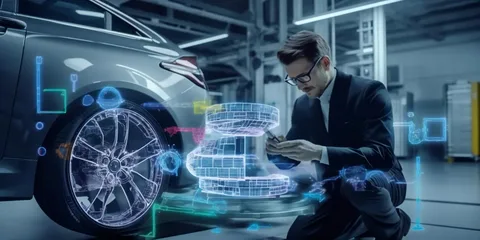 Challenges of Implementing AI in Engine Control
While AI offers numerous benefits, it also presents challenges that need to be addressed for successful implementation.
High Development Costs
Developing AI powered systems requires significant investment in research and technology. This can be a barrier for some manufacturers.
However, the long term benefits often outweigh the initial costs. It leads to improved efficiency and performance.
Data Security and Privacy
AI systems rely on data, raising concerns about security and privacy. Protecting this data is essential.
Understanding secure automotive data systems highlights the importance of safeguarding information in connected vehicles.
The Future of AI in Engine Control Systems
The future of engine control systems is closely tied to advancements in AI. These systems will continue to evolve and become more sophisticated.
Autonomous and Smart Vehicles
AI will play a key role in the development of autonomous vehicles. Engine control systems will be fully integrated with other vehicle systems.
Exploring future automotive engine technologies shows how AI will shape the next generation of vehicles. It will enable smarter and safer transportation.
Continuous Innovation
Ongoing research and development will lead to new innovations in AI powered engine control. This will further enhance efficiency and performance.
The industry is moving toward fully intelligent systems that can adapt and evolve continuously.
Why AI Powered Engine Control Matters
AI powered engine control systems are not just a technological advancement they are a necessity for the future of transportation.
Meeting Modern Demands
Modern vehicles require systems that can handle complex conditions and deliver optimal performance. AI meets these demands effectively.
Understanding modern engine control solutions highlights why AI is essential for today’s automotive industry. It ensures efficiency and reliability.
Competitive Advantage
Manufacturers that adopt AI technology gain a competitive edge. They can offer better performance, efficiency, and innovation.
This makes AI a key differentiator in the automotive market. It drives growth and success.
Conclusion
AI is revolutionizing engine control systems by introducing intelligence, adaptability, and efficiency. From real time data processing to predictive maintenance, AI is transforming how engines operate and perform.
The shift toward AI powered systems is not just a trend it is a fundamental change in the automotive industry. It reflects the growing demand for smarter, more efficient, and sustainable vehicles.
The Best Idea is at the forefront of this transformation, providing innovative solutions in adaptive engine control technology and advanced engine management systems. By leveraging AI, they help businesses and individuals achieve superior performance and efficiency.
As technology continues to evolve, AI will play an even greater role in shaping the future of engine control systems. Embracing this innovation is essential for staying ahead in the rapidly changing automotive landscape.
Frequently Asked Questions
What is AI in engine control systems?
AI in engine control systems refers to the use of machine learning and data analysis to optimize engine performance and efficiency.
How does AI improve fuel efficiency?
AI optimizes fuel injection and combustion processes, reducing waste and improving mileage.
What is predictive maintenance in engines?
It uses AI to detect potential issues early and prevent breakdowns before they occur.
Is AI used in electric vehicles?
Yes, AI helps manage energy consumption, battery performance, and overall system efficiency.
What are the future trends in engine control systems?
Future trends include autonomous vehicles, smart systems, and continuous AI driven optimization.
