
How Engine Cylinders Work and Affect Performance
Modern vehicles rely on complex engineering to convert fuel into motion, and at the heart of this process are engine cylinders. Understanding how engine cylinders work helps explain how vehicles generate power, maintain efficiency, and deliver reliable performance on the road. Whether in small passenger cars or high performance vehicles, cylinders play a crucial role in transforming fuel and air into the energy needed to move a vehicle forward.
In this guide, we will explore the structure of engine cylinders, the combustion process that occurs inside them, and how their design influences engine performance and fuel efficiency. By understanding these mechanical principles, it becomes easier to appreciate the engineering innovations that continue to improve modern engines.
What Are Engine Cylinders?
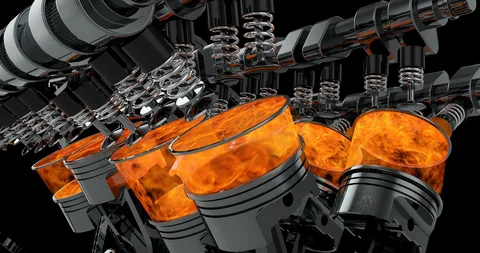
Engine cylinders are hollow metal chambers located inside an engine block. These chambers house the pistons and create the space where fuel combustion occurs. Every time the fuel air mixture ignites inside the cylinder, it produces pressure that pushes the piston downward, creating the mechanical force needed to turn the engine’s crankshaft.
Basic Structure of an Engine Cylinder
Several key components work together inside a cylinder:
- Piston: A moving component that travels up and down within the cylinder.
- Cylinder walls: The inner surface that guides piston movement.
- Valves: These allow air and fuel to enter and exhaust gases to leave.
- Spark plug or fuel injector: Responsible for igniting or injecting the fuel mixture.
Together, these components form the foundation of the internal combustion process, which powers most vehicles on the road today.
Why Cylinders Are Critical for Engine Operation
The cylinder acts as the combustion chamber of the engine. When fuel burns inside this chamber, it releases energy that moves the piston. This piston movement turns the crankshaft, which ultimately powers the vehicle’s drivetrain and wheels.
Engine cylinders also determine how efficiently fuel is burned. Proper cylinder design ensures optimal airflow, compression, and combustion, all of which influence engine performance and fuel economy.
How Engine Cylinders Work Step by Step
To understand how engine cylinders work, it’s important to examine the four stroke combustion cycle used by most internal combustion engines.
The Intake Stroke
The process begins when the piston moves downward inside the cylinder. During this movement, the intake valve opens, allowing a mixture of air and fuel to enter the combustion chamber. This mixture is carefully balanced to ensure efficient combustion.
The Compression Stroke
Once the fuel and air mixture enters the cylinder, the intake valve closes and the piston moves upward. This compresses the mixture into a smaller space, increasing its pressure and temperature. Compression is essential because it prepares the mixture for a powerful combustion event.
The Power Stroke
At the top of the compression stroke, the spark plug ignites the compressed mixture. The explosion forces the piston downward with significant pressure. This downward motion generates the mechanical energy that drives the engine and ultimately propels the vehicle forward.
The Exhaust Stroke
After combustion occurs, the exhaust valve opens and the piston moves upward again. This movement pushes the burned gases out of the cylinder and into the exhaust system. Once the gases leave, the cycle begins again with the next intake stroke.
This continuous sequence of intake, compression, combustion, and exhaust occurs thousands of times per minute in a running engine.
 How Engine Cylinders Affect Vehicle Performance
Engine cylinders do more than simply produce power. Their number, arrangement, and design have a direct impact on how a vehicle performs.
Power Output
Engines with more cylinders typically generate greater power because they can perform more combustion cycles simultaneously. For example, a six cylinder engine can produce more power than a four cylinder engine because it burns more fuel within the same time period.
Engine Smoothness
Multi cylinder engines often run more smoothly than engines with fewer cylinders. This is because the power strokes occur more frequently, reducing vibration and creating a steadier flow of power.
Fuel Efficiency
While engines with more cylinders can produce more power, they may also consume more fuel. Smaller engines with fewer cylinders often provide better fuel economy, making them popular in everyday passenger vehicles.
Engine designers must carefully balance power output and fuel efficiency when determining how many cylinders a vehicle should have.
Different Types of Engine Cylinder Configurations
The arrangement of cylinders within an engine plays an important role in performance, stability, and engine size.
Inline Cylinder Engines
Inline engines place all cylinders in a straight row. This design is commonly used in four cylinder engines and is known for its simplicity and efficiency.
Inline engines are widely used in passenger vehicles because they are compact, cost effective, and relatively easy to maintain.
V Type Cylinder Engines
V type engines arrange cylinders in two angled rows that form a “V” shape. This configuration allows manufacturers to place more cylinders in a smaller space, making it ideal for high performance vehicles.
Many sports cars and large vehicles use V6 or V8 engines because they provide strong power output and smoother performance.
Flat or Boxer Engines
Flat engines position cylinders horizontally on opposite sides of the engine block. This design lowers the vehicle’s center of gravity and improves stability.
Although less common than other configurations, boxer engines are valued for their balance and smooth operation.
The Role of Cylinder Design in Fuel Efficiency
Cylinder design has a major impact on how efficiently fuel is burned. Engineers carefully design combustion chambers to maximize the amount of energy extracted from each drop of fuel.
Factors that influence cylinder efficiency include:
- combustion chamber shape
- compression ratio
- airflow within the cylinder
- fuel injection precision
When these elements are optimized, the engine can produce more power while consuming less fuel.
Fuel efficiency has become a major focus in modern automotive engineering. Manufacturers constantly work to improve combustion efficiency and reduce energy loss. For example, improvements in engine technology have led to vehicles that use significantly less fuel than older models, as seen in innovations highlighted in The Most Fuel Efficient Cars of 2024.
Modern Technologies Improving Cylinder Efficiency
Advancements in automotive engineering have introduced new technologies designed to improve cylinder performance and fuel economy.
Variable Valve Timing
Variable valve timing allows the engine to adjust when valves open and close during operation. By optimizing airflow at different engine speeds, this technology improves both performance and efficiency.
Direct Fuel Injection
Direct fuel injection systems deliver fuel directly into the cylinder instead of the intake manifold. This allows for more precise fuel control and better combustion efficiency.
Electronic Engine Control Systems
Modern engines rely heavily on electronic control units that monitor and adjust engine parameters in real time. These systems use sensors and software algorithms to regulate fuel injection, ignition timing, and air intake.
By continuously adjusting these variables, electronic systems help ensure that the combustion process remains efficient under different driving conditions.
Why Traditional Engine Operation Wastes Fuel
Despite significant advancements, many traditional engines still waste fuel due to limitations in mechanical control systems. Fixed engine timing and mechanical fuel delivery methods cannot always adapt to changing driving conditions.
Some common causes of fuel inefficiency include:
- incomplete combustion
- excessive fuel injection
- inefficient airflow inside the cylinder
- mechanical timing limitations
These inefficiencies result in wasted energy and increased emissions. As a result, engineers continue developing smarter control systems to improve engine performance and reduce fuel consumption.
Modern research and engineering efforts focus on improving the combustion process and optimizing how engines operate under varying conditions.
The Future of Engine Cylinder Technology
The future of automotive engineering is focused on making engines more efficient, cleaner, and smarter. Advanced technologies are being developed to improve how cylinders operate and how combustion is controlled.
Emerging innovations include:
- adaptive engine control systems
- real time sensor monitoring
- advanced combustion algorithms
- electronically controlled engine operation
These technologies aim to reduce wasted fuel while maintaining strong performance. By analyzing engine data in real time, modern control systems can adjust engine behavior to improve combustion efficiency.
Such innovations represent a significant step forward in engine design, helping vehicles achieve better fuel economy while reducing environmental impact.
Conclusion
Understanding how engine cylinders work provides valuable insight into the mechanics that power modern vehicles. Cylinders are responsible for converting fuel into mechanical energy through the combustion process, making them one of the most critical components of any internal combustion engine.
From the four stroke combustion cycle to advanced cylinder configurations, every aspect of cylinder design influences how efficiently an engine operates. As automotive technology continues to evolve, engineers are developing new solutions to improve combustion efficiency, reduce fuel consumption, and enhance overall engine performance.
Innovative companies continue to explore new ways to optimize engine operation and address the limitations of traditional mechanical systems. By combining advanced engineering with modern control technology, solutions like those developed by Ottomatic Control Systems aim to improve fuel efficiency and transform how engines operate in the future. To learn more about these advancements and the technology behind them, you can explore the research and innovations presented on the official The Best Idea website.
Frequently Asked Questions
What is the role of cylinders in a car engine?
Engine cylinders are chambers where fuel combustion occurs. This combustion pushes the piston downward, generating the mechanical energy needed to power the vehicle.
How many cylinders does a typical car engine have?
Most passenger vehicles have 4, 6, or 8 cylinders, depending on the engine design and performance requirements.
Do more cylinders mean better performance?
Generally, engines with more cylinders can produce more power because they allow more combustion events per cycle. However, they may also consume more fuel.
How do engine cylinders improve fuel efficiency?
Efficient cylinder design ensures proper air and fuel mixing, optimal compression, and complete combustion, which helps reduce fuel consumption.
What happens if a cylinder stops working?
If a cylinder fails, the engine may run roughly, lose power, and consume more fuel. This condition is often referred to as an engine misfire.
