
Advanced Engine Control Services
Modern vehicles are no longer purely mechanical machines. Today’s engines rely heavily on electronic systems that constantly monitor and adjust how the engine operates. These systems help maintain performance, improve fuel efficiency, and ensure vehicles meet environmental standards.
One of the most important technologies responsible for this performance is the engine control system. Professional engine control services in Birmingham help diagnose, maintain, and optimize these systems so that vehicles operate at their best. Whether it is improving engine efficiency or identifying technical issues early, engine control services play a vital role in modern automotive maintenance.
This guide explains what engine control services are, why they are important, how they work, and why they are becoming essential for modern vehicles.
What Are Engine Control Systems?
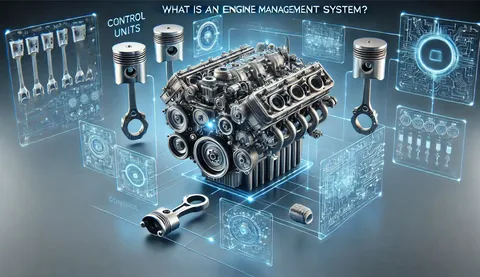
Engine control systems are electronic systems designed to regulate and optimize how an engine operates. These systems collect information from various sensors installed throughout the vehicle and use that data to control important engine functions such as fuel injection, ignition timing, and air intake.
The goal of an engine control system is to ensure the engine runs smoothly while maximizing efficiency and reducing harmful emissions. Instead of relying on manual adjustments like older vehicles, modern engines rely on digital control units that make real-time adjustments based on driving conditions.
Because these systems are highly advanced, they require professional diagnostics and maintenance. This is where expert engine control services in Birmingham become important for vehicle owners and fleet operators.
Key Components of Engine Control Systems
Engine control systems consist of multiple components working together to maintain engine performance. Each component collects data or performs specific actions that influence how the engine runs.
Engine Control Unit (ECU)
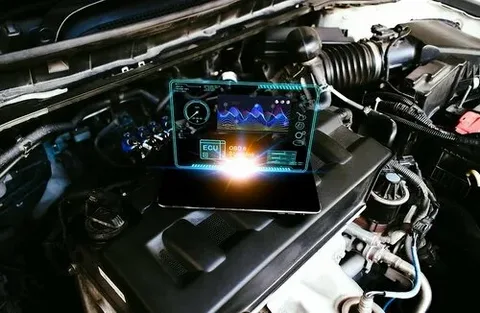
The Engine Control Unit is the central computer that manages engine operations. It receives information from sensors and processes this data to determine the best way to operate the engine at any given moment.
The ECU adjusts several engine functions including fuel injection, ignition timing, and idle speed. Because of its critical role, any issue with the ECU can significantly affect engine performance.
Engine Sensors
Modern vehicles contain several sensors that provide real time data to the ECU. These sensors measure different aspects of engine operation and environmental conditions.
Some of the most important sensors include:
- Oxygen sensors that monitor exhaust gases
- Temperature sensors that measure engine heat
- Airflow sensors that monitor incoming air
- Throttle position sensors that track acceleration
These sensors allow the ECU to constantly fine tune engine performance.
Fuel Injection System
Fuel injection systems deliver the correct amount of fuel to the engine based on driving conditions. Instead of using a fixed fuel delivery system, modern vehicles rely on electronic control to maintain the ideal air to fuel ratio.
This precise control helps improve fuel efficiency while reducing harmful emissions.
Why Engine Control Services Are Important
Engine control systems are highly complex and require professional expertise to maintain their performance. Regular engine control services ensure that these systems continue operating efficiently and reliably.
Improved Engine Performance
Engine control systems constantly adjust engine parameters to ensure optimal performance. When these systems are properly maintained, drivers experience smoother acceleration, consistent power delivery, and better overall driving performance.
Professional engine diagnostics help identify performance issues and ensure the engine operates under the best possible conditions.
Better Fuel Efficiency
Fuel efficiency is one of the most important concerns for modern drivers. Engine control systems optimize fuel delivery and combustion, which helps reduce fuel consumption.
Regular engine control services ensure that these systems remain properly calibrated, allowing drivers to maximize fuel economy and reduce long term fuel costs.
 Reduced Vehicle Emissions
Environmental regulations have become stricter over the years, and modern vehicles must meet specific emission standards. Engine control systems play a major role in reducing harmful exhaust gases.
By monitoring oxygen levels and adjusting combustion processes, these systems help minimize pollutants released into the environment.
Early Detection of Engine Problems
Engine control systems continuously monitor engine performance. If a problem occurs, the system can detect irregularities and trigger warning signals such as the check engine light.
Professional diagnostics allow technicians to analyze this data and identify potential issues before they develop into major mechanical failures.
How Advanced Engine Control Services Work
Advanced engine control services involve specialized diagnostic tools and expertise. These services analyze engine data and make adjustments to improve efficiency and performance.
Engine Diagnostics and Performance Analysis
Technicians use advanced diagnostic equipment to access the vehicle’s ECU and read stored data. This data provides valuable insights into engine behavior, including fuel consumption, emissions levels, and sensor performance.
Through this analysis, technicians can detect issues such as sensor failures, fuel delivery problems, or irregular engine performance.
Adaptive Engine Control Technology
Modern engine control systems are becoming increasingly intelligent. Adaptive engine control technology allows engines to automatically adjust their performance based on driving conditions, environmental factors, and engine load.
These systems continuously learn from data and refine engine operation to achieve the best balance between power, efficiency, and emissions control.
Engine Performance Optimization
Engine control services can also include performance optimization. This process involves adjusting engine parameters to improve efficiency and overall performance.
Optimized engine control settings can lead to:
- smoother engine operation
- improved fuel efficiency
- reduced emissions
- enhanced vehicle responsiveness
Benefits of Engine Control Services in Birmingham
Vehicle owners in Birmingham can experience several important benefits by maintaining their engine control systems.
Longer Engine Lifespan
Proper engine control reduces stress on engine components. When fuel injection, ignition timing, and airflow are correctly managed, the engine operates more smoothly and experiences less mechanical wear.
This helps extend the lifespan of the engine and reduces the likelihood of expensive repairs.
Lower Fuel Costs
Efficient engine control ensures that fuel is used effectively during combustion. By preventing wasted fuel and optimizing engine performance, drivers can reduce their overall fuel expenses.
For commercial fleets, improved fuel efficiency can result in significant long term savings.
Improved Driving Experience
Drivers often notice smoother performance after engine control optimization. Vehicles may accelerate more smoothly, idle more consistently, and respond more quickly to throttle input.
These improvements make everyday driving more comfortable and enjoyable.
Better Environmental Performance
Reducing emissions is an important goal for modern automotive technology. Properly functioning engine control systems help minimize environmental impact by ensuring efficient fuel combustion and reducing harmful exhaust gases.
Signs Your Vehicle May Need Engine Control Services
Certain warning signs may indicate that your vehicle requires professional engine diagnostics and control system maintenance.
Common signs include:
- the check engine light turning on
- reduced fuel efficiency
- engine misfires or rough idling
- poor acceleration or sluggish performance
- increased exhaust emissions
If these issues appear, professional engine diagnostics should be performed as soon as possible.
The Future of Engine Control Technology
Engine control technology continues to evolve as automotive innovation advances. Future systems are expected to become even more intelligent and efficient.
Some emerging trends include:
- AI powered engine optimization systems
- advanced real time performance monitoring
- improved fuel efficiency technologies
- enhanced emission reduction systems
These innovations will help vehicles operate more efficiently while meeting environmental regulations and performance expectations.
Choosing Professional Engine Control Services in Birmingham
Because engine control systems involve complex electronics and software, professional expertise is essential. Choosing experienced specialists ensures accurate diagnostics and reliable engine optimization.
When selecting engine control services, it is important to consider:
- technical expertise in engine electronics
- access to advanced diagnostic equipment
- experience with modern engine management systems
- reliable performance optimization solutions
Professional service providers can analyze engine data and make precise adjustments that improve both efficiency and reliability.
Conclusion
As vehicles become more technologically advanced, engine control systems play a critical role in maintaining performance, efficiency, and environmental compliance. These systems continuously monitor engine operations and make real time adjustments that improve fuel economy, reduce emissions, and enhance driving performance.
Professional engine control services in Birmingham help ensure these complex systems operate correctly and efficiently. Through advanced diagnostics, adaptive control technology, and performance optimization, vehicle owners can maintain reliable engine performance while reducing long-term operating costs.
Companies like Ottomatic Control Systems continue to explore innovative engine technologies designed to improve fuel efficiency, enhance engine performance, and support the future of smarter automotive systems.
Frequently Asked Questions
What are engine control services?
Engine control services involve diagnosing, maintaining, and optimizing the electronic systems that regulate how a vehicle’s engine operates. These services ensure engines run efficiently and reliably.
How do engine control systems improve fuel efficiency?
Engine control systems adjust fuel injection and ignition timing based on driving conditions. This ensures optimal combustion and prevents unnecessary fuel consumption.
Can engine control systems reduce emissions?
Yes. By optimizing combustion and monitoring exhaust gases, engine control systems significantly reduce harmful emissions.
Are engine control systems used in all modern vehicles?
Most modern vehicles rely on electronic engine control units to regulate engine performance and maintain efficiency.
When should engine control diagnostics be performed?
Diagnostics should be performed during regular maintenance or whenever warning signs such as poor performance or reduced fuel efficiency appear.
