
What Is Engine Control Technology and How It Improves Vehicle Performance
Modern vehicles have evolved far beyond purely mechanical machines. Today’s engines rely on intelligent systems that continuously monitor, analyze, and adjust performance in real time. At the center of this transformation is engine control technology, which ensures optimal efficiency, power delivery, and environmental compliance.
Understanding what is engine control technology is essential in 2026, as automotive innovation is increasingly driven by software, sensors, and data. This technology not only enhances how vehicles perform but also how they adapt to different driving conditions, making them smarter, safer, and more efficient than ever before.
Understanding What Engine Control Technology Is
Engine control technology is a sophisticated system that manages and optimizes engine operations through electronic and digital processes. Instead of relying on fixed mechanical configurations, it uses real time data to make precise adjustments that improve performance and efficiency.
This system integrates hardware and software components that work together seamlessly. By constantly evaluating engine conditions, it ensures that fuel, air, and ignition are perfectly balanced, which is critical for achieving both performance and sustainability goals in modern vehicles.
The Core Function of Engine Control Systems
At its core, engine control technology acts as a decision making system that governs how the engine behaves under different conditions. It processes data from multiple sensors and determines the best way to operate the engine at any given moment.
For instance, when driving uphill or accelerating quickly, the system adjusts fuel delivery and ignition timing to maintain power without wasting fuel. This intelligent responsiveness is why understanding engine control system explained concepts is key to appreciating modern vehicle performance.
Key Components of Engine Control Technology
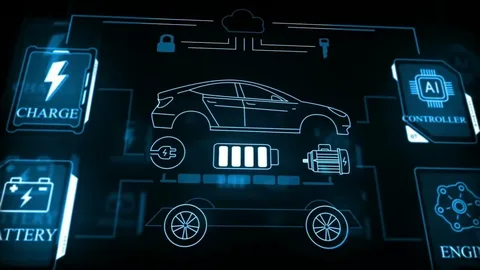
The effectiveness of engine control technology depends on several interconnected components working together:
- Sensors: Continuously measure variables like oxygen levels, airflow, temperature, and engine speed
- Electronic Control Unit (ECU): Processes incoming data and determines optimal engine settings
- Actuators: Carry out adjustments such as opening fuel injectors or controlling throttle valves
- Control Software: Uses algorithms and data models to optimize performance dynamically
Each component plays a vital role, and their coordination ensures that the engine operates efficiently under all conditions.
How Engine Control Technology Works in Real Time
Engine control technology operates through a continuous cycle of monitoring, processing, and adjusting. This real time functionality allows the system to respond instantly to changes in driving conditions, ensuring smooth and efficient operation.
Unlike older systems that relied on static settings, modern control systems adapt dynamically. This adaptability is what enables vehicles to deliver consistent performance regardless of speed, terrain, or environmental conditions.
Data Collection Through Advanced Sensors
Sensors are responsible for gathering accurate and real time data about the engine’s operating conditions. They monitor critical parameters such as:
- Air intake levels
- Fuel mixture ratios
- Engine temperature
- Exhaust emissions
This data forms the foundation for decision making. Without precise inputs, the system cannot optimize performance effectively, which is why vehicle performance optimization tips always emphasize sensor accuracy and maintenance.
ECU Processing and Intelligent Decision Making
Once data is collected, the ECU analyzes it using advanced algorithms. These algorithms are designed to determine the most efficient way to operate the engine based on current conditions.
For example, during cold starts, the ECU increases fuel delivery to ensure smooth ignition. During steady cruising, it reduces fuel usage to improve efficiency. This intelligent processing is essential for achieving both performance and economy.
Continuous Adjustment and Optimization
After processing the data, the system sends commands to actuators that adjust engine functions instantly. This continuous feedback loop ensures that the engine remains in its optimal state at all times.
This dynamic adjustment capability is a major reason why engine performance optimization techniques rely heavily on modern control systems rather than manual tuning.
 Key Benefits of Engine Control Technology
Engine control technology offers a wide range of benefits that directly impact vehicle performance, efficiency, and reliability. These advantages make it a critical component of modern automotive design.
Improved Fuel Efficiency
One of the most significant benefits is the ability to optimize fuel consumption. By precisely controlling the air fuel mixture, the system ensures that no fuel is wasted.
This leads to better mileage, reduced fuel costs, and improved sustainability. Implementing fuel efficiency improvement techniques is largely dependent on the accuracy of engine control systems.
Enhanced Engine Performance
Engine control technology maximizes power output by ensuring optimal combustion. It adjusts ignition timing and airflow to deliver smooth acceleration and consistent performance.
Drivers experience better throttle response and improved driving dynamics, especially in demanding conditions such as heavy traffic or high speed travel.
Reduced Emissions and Environmental Impact
Modern regulations require vehicles to minimize emissions, and engine control technology plays a key role in achieving this. It ensures complete combustion and reduces harmful gases released into the environment.
This aligns with the growing demand for eco friendly engine solutions, making vehicles more sustainable and compliant with global standards.
Increased Engine Longevity and Reliability
By maintaining optimal operating conditions, engine control systems reduce stress on engine components. This minimizes wear and tear, leading to fewer breakdowns and longer engine life.
Regular monitoring also allows early detection of potential issues, preventing costly repairs and ensuring long term reliability.
Types of Engine Control Technologies in 2026
As automotive technology advances, different types of engine control systems have been developed to meet various performance and efficiency requirements.
Electronic Control Units (ECUs)
The ECU is the central component that controls engine operations. Modern ECUs are highly advanced and capable of processing large amounts of data quickly.
Understanding ECU functions and benefits is essential for anyone looking to optimize vehicle performance or diagnose engine issues.
Engine Management Systems (EMS)
EMS integrates multiple control functions into a single system. It manages fuel injection, ignition timing, and emissions control simultaneously.
This integration simplifies engine operation while improving efficiency and reducing maintenance complexity.
AI Powered Engine Control Systems
In 2026, artificial intelligence is becoming a major part of engine control technology. AI systems learn from driving patterns and continuously improve performance.
These systems represent the future of smart engine control technology, offering personalized optimization and predictive maintenance capabilities.
Common Engine Problems Solved by Control Technology
Engine control technology is designed to identify and correct issues before they impact performance or safety.
Poor Fuel Efficiency
Inefficient fuel usage often results from incorrect air fuel ratios. Engine control systems automatically adjust these ratios to ensure optimal combustion.
This not only improves mileage but also reduces operational costs over time.
Engine Knocking and Misfires
Knocking occurs when fuel ignites prematurely, while misfires result from incomplete combustion. Both issues can damage the engine if not addressed.
Engine control systems adjust ignition timing and fuel delivery to eliminate these problems, ensuring smooth and reliable operation.
High Emissions Levels
Excessive emissions are often caused by incomplete combustion or faulty components. Sensors detect these issues and allow the system to make corrections instantly.
This demonstrates how engine diagnostics and control solutions enhance both environmental compliance and engine performance.
The Role of Engine Control Technology in Modern Vehicles
Engine control technology is essential for meeting the demands of modern vehicles, including efficiency, performance, and sustainability.
Integration with Hybrid and Electric Systems
Even hybrid vehicles rely on engine control systems to manage the interaction between electric motors and internal combustion engines.
This coordination ensures seamless transitions and optimal energy usage, making vehicles more efficient and responsive.
Smart Connectivity and Diagnostics
Modern vehicles are equipped with onboard diagnostics systems that provide real time data and alerts.
Drivers can monitor engine performance, identify issues early, and take preventive action using smart vehicle monitoring systems.
Future Trends in Engine Control Technology
The future of engine control technology is shaped by innovation, sustainability, and digital transformation.
AI and Predictive Maintenance
AI driven systems can predict potential failures before they occur by analyzing patterns and trends in engine data.
This proactive approach reduces downtime and maintenance costs while improving reliability.
Advanced Emission Reduction Technologies
Stricter environmental regulations are driving the development of more advanced emission control systems.
These technologies ensure compliance while maintaining performance and efficiency.
Fully Connected and Autonomous Systems
Future vehicles will integrate engine control systems with smart infrastructure and autonomous driving technologies.
This evolution highlights the importance of next generation engine control systems in shaping the future of mobility.
Choosing the Right Engine Control Solutions
Selecting the right engine control technology requires careful consideration of performance goals, vehicle type, and usage.
Evaluating Your Needs
Determine whether your priority is fuel efficiency, power, or environmental impact.
Understanding your requirements helps you choose the most suitable solution for your vehicle.
Importance of Professional Expertise
Proper installation and calibration are critical for achieving optimal performance.
Working with experts like The Best Idea ensures that engine control systems are implemented correctly and deliver maximum benefits.
Conclusion
Understanding what is engine control technology highlights its vital role in modern vehicles. It enables precise control, enhances performance, improves fuel efficiency, and reduces environmental impact.
As automotive technology continues to evolve, engine control systems will become even more advanced, integrating AI, connectivity, and automation. By leveraging expert solutions from The Best Idea, vehicle owners can ensure optimal performance, reliability, and sustainability.
Engine control technology is not just an upgrade it is the foundation of smarter, more efficient, and future ready vehicles.
Frequently Asked Questions
What is engine control technology?
Engine control technology is a system that uses sensors, ECUs, and software to manage engine performance in real time.
How does it improve fuel efficiency?
It optimizes the air fuel mixture and combustion process, reducing fuel waste and improving mileage.
What is an ECU?
An ECU is the central unit that processes data from sensors and controls engine operations.
Can engine control systems reduce emissions?
Yes, they ensure efficient combustion and monitor emissions to minimize environmental impact.
Why is engine control technology important?
It enhances performance, improves efficiency, reduces emissions, and ensures long term engine reliability.
