
Introduction
The automotive industry is undergoing a major transformation, driven by rising fuel costs, environmental concerns, and rapid technological advancements. While electric vehicles continue to gain attention, fuel efficiency remains a critical focus for both manufacturers and consumers. In 2026, improving how efficiently vehicles use fuel is not just a preference it is becoming a necessity.
Fuel efficiency directly impacts cost savings, environmental sustainability, and overall vehicle performance. As governments introduce stricter emissions regulations and consumers demand smarter, more economical vehicles, automakers are investing heavily in technologies that maximize fuel usage while minimizing waste.
In this blog, we will explore what fuel efficiency means, why it is shaping the future of automotive innovation, and how new technologies are redefining the way vehicles perform and consume energy.
What Is Fuel Efficiency in Automotive?
Fuel efficiency refers to how effectively a vehicle converts fuel into energy to power movement. It is commonly measured in miles per gallon (MPG) or liters per 100 kilometers, indicating how far a vehicle can travel using a specific amount of fuel.
Higher fuel efficiency means less fuel consumption for the same distance, resulting in lower costs and reduced environmental impact. It is a key performance indicator in modern vehicle design.
Key Factors That Affect Fuel Efficiency
Several factors influence how efficiently a vehicle uses fuel. Understanding these elements helps explain why modern vehicles are becoming more efficient over time.
Advancements in these areas are driving improvements across the automotive industry.
- Engine design and optimization
- Vehicle weight and aerodynamics
- Driving habits and conditions
- Fuel quality and type
Why Fuel Efficiency Is Becoming a Top Priority
Fuel efficiency is no longer just a technical feature it is a major decision making factor for consumers, manufacturers, and policymakers. The growing importance of efficiency is driven by economic, environmental, and technological factors.
This shift is reshaping how vehicles are designed, marketed, and used.
Rising Fuel Costs and Consumer Demand
Fuel prices continue to fluctuate, making cost savings a top concern for drivers. Vehicles that consume less fuel provide significant long term financial benefits.
As a result, consumers are actively seeking cars that offer better mileage and lower operating costs.
Environmental Concerns and Emissions Reduction
Reducing carbon emissions has become a global priority. Fuel efficient vehicles produce fewer emissions, helping to combat climate change and improve air quality.
Governments and environmental organizations are encouraging the adoption of efficient technologies through regulations and incentives.
Government Regulations and Standards
Stricter fuel economy and emissions standards are being implemented across the United States. Automakers must meet these requirements to remain competitive and compliant.
This is accelerating the development of advanced fuel saving technologies.
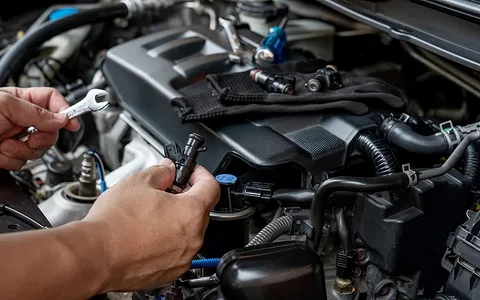 How Fuel Efficiency Is Driving Automotive Innovation
Fuel efficiency is at the core of modern automotive innovation. Engineers and manufacturers are continuously developing new technologies to improve how vehicles use energy.
These innovations are not only enhancing efficiency but also improving overall performance and driving experience.
Advanced Engine Technologies
Modern engines are designed to maximize power while minimizing fuel consumption. Technologies such as turbocharging, direct fuel injection, and variable valve timing are improving engine efficiency.
These advancements allow vehicles to deliver better performance with less fuel.
Smart Engine Control Systems
Smart engine control systems use real time data to optimize fuel usage and engine performance. These systems adjust parameters such as fuel injection and ignition timing based on driving conditions.
This results in more efficient energy use and reduced fuel waste.
Lightweight Materials and Aerodynamics
Reducing vehicle weight and improving aerodynamics are key strategies for enhancing fuel efficiency. Lighter vehicles require less energy to move, while aerodynamic designs reduce air resistance.
These improvements contribute to better mileage and smoother driving.
Hybrid and Alternative Powertrain Integration
Hybrid systems combine traditional engines with electric motors to improve efficiency. These systems reduce fuel consumption by using electric power during low demand situations.
They represent a bridge between conventional vehicles and fully electric models.
Benefits of Fuel Efficient Vehicles
Fuel efficient vehicles offer a wide range of benefits that extend beyond cost savings. They contribute to a better driving experience, environmental sustainability, and long term value.
These advantages make fuel efficiency a key factor in modern automotive decisions.
Lower Operating Costs
Fuel efficient vehicles reduce the amount spent on fuel over time. This leads to significant savings, especially for individuals who drive frequently.
Lower fuel consumption also reduces the impact of price fluctuations.
Reduced Environmental Impact
By consuming less fuel, efficient vehicles produce fewer greenhouse gas emissions. This helps protect the environment and supports global sustainability efforts.
It also aligns with growing consumer awareness about eco friendly choices.
Improved Vehicle Performance
Efficiency and performance are no longer separate goals. Modern technologies allow vehicles to deliver strong performance while maintaining low fuel consumption.
This creates a balanced and enjoyable driving experience.
Challenges in Achieving Fuel Efficiency
Despite its benefits, improving fuel efficiency comes with challenges. Manufacturers must balance performance, cost, and design constraints while meeting regulatory requirements.
Understanding these challenges highlights the complexity of modern automotive engineering.
Balancing Power and Efficiency
Increasing efficiency without compromising performance is a key challenge. Drivers expect powerful vehicles that also consume less fuel.
Engineers must find innovative ways to achieve both goals simultaneously.
Cost of Advanced Technologies
Developing and implementing fuel saving technologies can increase production costs. These costs may be passed on to consumers.
However, long term savings often outweigh the initial investment.
The Future of Fuel Efficiency in Automotive
The future of automotive technology will be heavily influenced by fuel efficiency advancements. Even as electric vehicles grow in popularity, efficient fuel based systems will continue to play a significant role.
Innovations such as adaptive engine systems, AI driven optimization, and sustainable fuels are expected to redefine efficiency standards in the coming years.
Integration of AI and Smart Systems
Artificial intelligence will play a major role in optimizing fuel usage. Smart systems will analyze driving patterns and adjust vehicle performance in real time.
This will lead to even greater efficiency and reduced energy waste.
Continued Evolution of Hybrid Technologies
Hybrid vehicles will continue to evolve, offering improved efficiency and performance. These systems provide a practical solution for reducing fuel consumption without fully transitioning to electric vehicles.
They are expected to remain a key part of the automotive landscape.
Conclusion
Fuel efficiency is no longer just a feature it is the foundation of the future automotive industry. As economic pressures, environmental concerns, and technological advancements continue to shape the market, efficient energy use has become essential for both manufacturers and consumers.
From advanced engine systems to smart optimization technologies, the focus on fuel efficiency is driving innovation and redefining vehicle performance. This shift not only benefits drivers through cost savings but also contributes to a more sustainable and responsible future.
For those interested in cutting edge advancements in engine efficiency and automotive innovation, The Best Idea is at the forefront of developing technologies that improve fuel performance, reduce emissions, and shape the next generation of intelligent vehicle systems.
Frequently Asked Questions
Why is fuel efficiency important in modern vehicles?
Fuel efficiency is important because it reduces fuel costs, lowers emissions, and improves overall vehicle performance. It also helps meet environmental regulations and consumer demands.
How can I improve my car’s fuel efficiency?
You can improve fuel efficiency by maintaining your vehicle, driving smoothly, reducing unnecessary weight, and using high quality fuel. Regular servicing also helps optimize performance.
Are fuel efficient cars more expensive?
Some fuel efficient vehicles may have higher upfront costs due to advanced technology. However, they often save money in the long run through reduced fuel consumption.
Do hybrid cars improve fuel efficiency?
Yes, hybrid cars use a combination of electric power and fuel to reduce consumption. This results in better mileage and lower emissions compared to traditional vehicles.
Is fuel efficiency still important with electric vehicles rising?
Yes, fuel efficiency remains important because many vehicles still rely on fuel based systems. Efficient engines also complement hybrid technologies and reduce overall energy consumption.
