

Introduction
Smart engine technology is no longer just a luxury feature in high end cars it has become a core part of modern automotive engineering. Vehicles today are expected to do much more than simply run; they are expected to adapt, learn, and optimize performance in real time. This is exactly where smart engine systems are making a major difference in the automotive world.
Instead of relying on fixed mechanical configurations like traditional engines, smart engine systems use sensors, data processing units, and advanced algorithms to continuously adjust performance. This means your car can automatically optimize fuel usage, power output, and engine efficiency based on how and where you drive.
For drivers in the USA, this technology is especially important due to rising fuel prices, environmental regulations, and increasing demand for performance efficiency. Whether you drive a daily commuter car or a performance vehicle, smart engine upgrades can significantly enhance your driving experience without requiring a full vehicle replacement.
In this guide, we will break down exactly how smart engine technology works, why it is important, and how you can practically upgrade your vehicle using this advanced system.
What Is Smart Engine Technology and Why It Matters
Smart engine technology refers to an advanced system that integrates electronics, software, and mechanical components to create an intelligent driving system. Instead of operating with static engine settings, the vehicle continuously adapts based on real time conditions.
This system is powered mainly by the Engine Control Unit (ECU), which acts as the brain of the vehicle. It processes data from multiple sensors and makes instant decisions to improve engine performance.
These systems are widely used in modern vehicles, especially hybrids and electric vehicles, but they are also increasingly available as aftermarket upgrades for traditional combustion engines.
Summary of Smart Engine Technology
Smart engine technology is a dynamic vehicle control system that uses real time data and computerized decision making to optimize engine performance. It improves fuel efficiency, enhances power delivery, reduces emissions, and increases engine lifespan by continuously adapting to driving conditions.
Why It Is Becoming Industry Standard
Automotive manufacturers are rapidly adopting smart engine systems because they offer three major advantages:
- Better fuel efficiency for customers
- Lower emissions for environmental compliance
- Enhanced performance for modern driving expectations
This makes smart engine technology a foundation for future automotive design.
How Smart Engine Technology Works Inside a Vehicle
To understand the value of upgrading your vehicle, it is important to understand how the system actually works behind the scenes.
Smart engine technology operates through a continuous feedback loop between sensors and the ECU. These sensors collect real time information about the vehicle’s condition and environment. The ECU then processes this data and adjusts engine behavior instantly.
Summary of Working System
The system works through a real time communication cycle between sensors and the ECU. It collects engine data, analyzes performance conditions, and automatically adjusts fuel injection, ignition timing, and airflow to maintain optimal efficiency and performance.
Step by Step Working Process
- Data Collection Phase
Sensors monitor speed, temperature, air pressure, fuel levels, and engine load. - Data Processing Phase
The ECU analyzes all incoming data using pre programmed algorithms. - Decision Making Phase
Based on the analysis, the ECU determines optimal engine settings. - Execution Phase
Adjustments are made instantly to fuel injection, air intake, and ignition timing. - Feedback Loop
The system continuously repeats this process while driving.
Key Components That Power the System
- Engine Control Unit (ECU): Central processing brain of the engine
- Oxygen Sensors: Measure combustion efficiency and emissions
- Mass Air Flow Sensors: Monitor air entering the engine
- Throttle Position Sensors: Track driver acceleration input
- Temperature Sensors: Prevent overheating and optimize combustion
- Fuel Injectors: Control precise fuel delivery
Each component works together to ensure the engine runs at peak efficiency under all conditions.
Why You Should Upgrade to Smart Engine Technology
Upgrading your vehicle with smart engine technology is not just about improving performance it is about making your entire driving experience more efficient, cost effective, and sustainable.
Summary of Benefits
Smart engine upgrades deliver improved fuel economy, better acceleration, reduced emissions, and longer engine lifespan. These benefits combine to create a more efficient, powerful, and reliable driving system.
Fuel Efficiency Optimization
One of the most important advantages is fuel savings. Smart systems calculate the exact amount of fuel needed in real time, ensuring there is no unnecessary fuel waste. Over time, this leads to significant cost savings, especially for long distance drivers.
Performance Enhancement
Smart engine systems improve throttle response and acceleration by optimizing combustion timing. This means your vehicle reacts faster and performs more smoothly in both city and highway driving conditions.
Environmental Benefits
By improving combustion efficiency, smart engines reduce harmful emissions such as carbon dioxide and nitrogen oxides. This helps vehicles meet strict environmental regulations while contributing to cleaner air.
Reduced Maintenance Costs
Because the engine operates more efficiently, internal wear and tear is reduced. This leads to fewer breakdowns, lower repair costs, and longer engine lifespan.
 How to Upgrade Your Vehicle With Smart Engine Technology
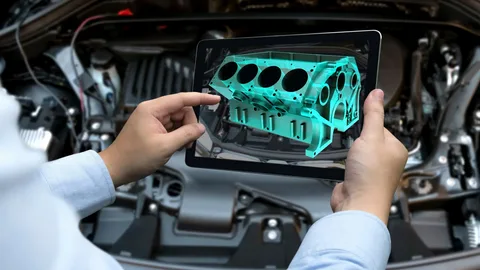
Upgrading your vehicle does not require replacing the entire engine system. Instead, you can enhance your current engine using a combination of software and hardware improvements.
Summary of Upgrade Process
The upgrade process involves ECU remapping, installation of advanced sensors, and integration of intelligent performance modules. These upgrades allow your existing engine to operate like a modern smart system.
ECU Remapping for Performance Control
ECU remapping is one of the most effective upgrade methods. It modifies factory engine settings to improve performance, fuel efficiency, and responsiveness. This is done through specialized software tuning.
Smart Sensor Integration
Adding modern sensors improves the accuracy of engine data collection. This allows the ECU to make more precise adjustments in real time, resulting in smoother performance.
AI Based Engine Modules
Advanced upgrades include AI powered systems that learn driving patterns. These systems adapt over time, offering personalized performance based on your driving style.
Hybrid and Efficiency Upgrades
Some smart engine systems can be combined with hybrid technology to further improve efficiency. This allows better fuel management and smoother energy distribution.
How Smart Engine Technology Improves Driving Experience
Beyond technical improvements, smart engine technology significantly enhances the overall driving experience.
Summary of Driving Improvements
Drivers experience smoother acceleration, better vehicle control, and reduced manual effort. The system automatically adjusts performance, making driving safer and more comfortable.
Adaptive Driving Behavior
The engine adjusts based on road conditions such as traffic, hills, or highways. This ensures consistent performance regardless of environment.
Reduced Driver Fatigue
Since the system handles most performance adjustments automatically, drivers experience less stress during long drives.
Is Smart Engine Technology Worth the Upgrade?
For most vehicle owners, smart engine technology provides strong value due to its combination of performance, efficiency, and long term savings.
Summary of Value
Smart engine upgrades are worth it for drivers seeking improved fuel economy, better performance, and reduced maintenance costs without buying a new vehicle.
Long Term Financial Benefits
Although initial upgrade costs may vary, long term fuel savings and reduced maintenance expenses often outweigh the investment.
Common Challenges and Important Considerations
While smart engine technology is highly beneficial, proper installation and system compatibility are critical for success.
Summary of Challenges
Challenges include vehicle compatibility, tuning accuracy, and installation quality. Professional installation is essential to avoid performance issues.
Compatibility Limitations
Some older vehicles may require additional modifications before smart systems can be installed effectively.
Importance of Professional Expertise
Incorrect ECU tuning or poor installation can negatively impact engine performance, making expert handling necessary.
Future of Smart Engine Technology in the Automotive Industry
The automotive industry is rapidly moving toward fully intelligent vehicle systems powered by artificial intelligence and machine learning.
Summary of Future Trends
Future vehicles will feature predictive engine systems that adjust performance before driving conditions change. AI will also enable self diagnosing engines and fully automated performance optimization.
Next Generation Automotive Innovation
Smart engines will become standard in all modern vehicles, integrating with electric systems, autonomous driving, and real time traffic data analysis.
Conclusion
Upgrading your vehicle with smart engine technology is one of the most effective ways to enhance performance, reduce fuel consumption, and extend engine lifespan without purchasing a new car. As automotive innovation continues to evolve, intelligent engine systems are becoming a standard feature in modern transportation.
For drivers and automotive enthusiasts looking to stay ahead of this innovation curve, The Best Idea is focused on exploring and sharing advanced adaptive engine control concepts that represent the future of smart driving technology.
Frequently Asked Questions
What is smart engine technology?
It is a system that uses sensors and AI based software to automatically optimize engine performance in real time.
Can I upgrade an old car with smart engine technology?
Yes, many older vehicles can be upgraded using ECU tuning and aftermarket smart systems depending on compatibility.
Does smart engine technology improve fuel efficiency?
Yes, it optimizes fuel usage based on driving conditions, significantly improving fuel economy.
Is ECU tuning safe for vehicles?
When done professionally, ECU tuning is safe and improves performance. Poor tuning can damage engine efficiency.
How much does a smart engine upgrade cost?
Costs vary depending on vehicle type and upgrade level, but ECU based upgrades are generally cost effective compared to engine replacement.
