
Introduction
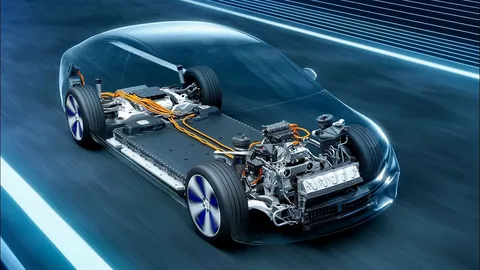
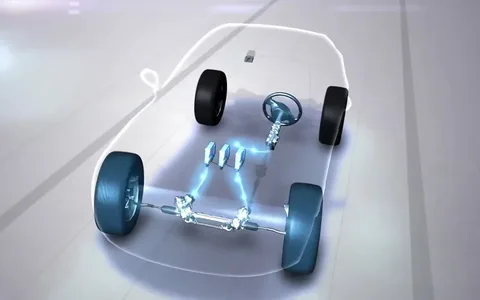
Modern automotive engineering is no longer just about mechanical power; it is increasingly about intelligent software systems that control, optimize, and continuously improve engine performance. One of the most important advancements in this field is adaptive engine control, a system that allows vehicles to automatically adjust engine behavior in real time based on driving conditions, environmental factors, and driver input.
Unlike traditional fixed engine systems, adaptive engine control creates a dynamic feedback loop between sensors, software, and mechanical components. This ensures that the engine is always operating at its most efficient and effective state.
In automotive focused regions such as Birmingham, where engineering innovation and mobility systems have long played an important role in industrial development, adaptive engine control is becoming increasingly relevant in both research and real world vehicle applications.
Advanced companies like The Best Idea are contributing to the development of adaptive engine control technologies that improve fuel efficiency, reduce emissions, and enhance driving performance through intelligent system design.
This blog provides a complete breakdown of what adaptive engine control is, how it works, why it matters, and how it is shaping the future of automotive performance systems in Birmingham and beyond.
What Is Adaptive Engine Control?
Core Definition of Adaptive Engine Control
Adaptive engine control is an intelligent automotive system that continuously adjusts engine parameters in real time to optimize performance, efficiency, and emissions output.
Instead of relying on static engine maps, the system dynamically changes key variables such as:
- Fuel injection timing
- Air fuel ratio
- Ignition timing
- Turbocharger pressure
- Throttle response
This ensures that the engine adapts instantly to changing driving conditions without requiring manual tuning.
Why It Is Called “Adaptive”
The term “adaptive” refers to the system’s ability to learn and adjust continuously.
Traditional engines operate based on fixed calibration settings, but adaptive systems evolve over time by analyzing performance feedback.
This means the engine can:
- Adjust to different driving styles
- Compensate for wear and tear
- React to weather and altitude changes
- Improve efficiency over time
This self adjusting behavior is what makes the system highly advanced compared to older technologies.
Role of Software in Modern Engine Systems
Modern adaptive engine control systems are primarily software driven rather than purely mechanical.
The engine control unit (ECU) acts as the central processing system that interprets sensor data and executes adjustments instantly.
This transforms the engine into a data driven system, where performance is continuously optimized using algorithms rather than manual calibration alone.
How Adaptive Engine Control Works in Detail
Sensor Data Collection Across the Engine System
The process begins with a network of sensors installed throughout the vehicle.
These sensors constantly measure critical engine and environmental data such as:
- Engine temperature
- Air intake pressure
- Exhaust oxygen levels
- Fuel flow rate
- Vehicle speed and load
- Acceleration patterns
This continuous stream of real time data provides the system with a complete operational picture of the engine.
Real Time Data Processing in the ECU
Once data is collected, it is transmitted to the engine control unit (ECU), where it is processed using advanced algorithms.
The ECU evaluates:
- Whether engine performance is optimal
- If fuel efficiency can be improved
- Whether emissions need adjustment
- If power output should be increased or reduced
This analysis happens in milliseconds, allowing the system to respond instantly.
Intelligent Adjustment of Engine Parameters
After processing data, the system immediately adjusts engine functions.
For example:
- During heavy acceleration → increases fuel injection and air intake
- During low speed city driving → reduces fuel usage
- During high temperatures → adjusts ignition timing for stability
- During engine wear → recalibrates performance settings
These continuous micro adjustments ensure optimal performance at all times.
Machine Learning and Continuous Improvement
Advanced adaptive engine systems incorporate machine learning capabilities.
This allows the system to:
- Store historical driving data
- Identify patterns in engine performance
- Predict future engine behavior
- Improve future adjustments automatically
Over time, the system becomes more efficient and precise, essentially “learning” how the vehicle is used.
Why Adaptive Engine Control Is Important in Modern Vehicles
 Improved Fuel Efficiency and Energy Optimization
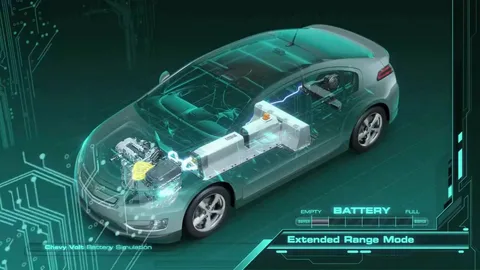
One of the most significant advantages of adaptive engine control is improved fuel efficiency.
By constantly optimizing combustion conditions, the system ensures that fuel is used as efficiently as possible.
This results in:
- Reduced fuel consumption
- Lower operational costs
- Improved mileage per gallon or liter
- More sustainable driving performance
Efficiency is a major focus in modern automotive design, especially in urban environments like Birmingham.
Enhanced Engine Performance and Responsiveness
Adaptive engine control improves how the vehicle responds to driver input.
It ensures smoother acceleration, better throttle response, and consistent power delivery across different driving conditions.
This makes vehicles feel more responsive and refined, especially during:
- Highway driving
- Stop and go traffic
- High load conditions
Performance is not static it is continuously optimized.
Reduction in Harmful Emissions
Environmental regulations are becoming increasingly strict in the automotive industry.
Adaptive engine control plays a key role in reducing emissions by optimizing combustion efficiency and minimizing wasted fuel.
This helps reduce:
- Carbon dioxide emissions
- Nitrogen oxide output
- Unburned fuel particles
Cleaner combustion contributes to environmental sustainability and regulatory compliance.
Improved Engine Longevity and Reliability
Because adaptive systems reduce unnecessary stress on engine components, they help extend engine life.
By preventing inefficient combustion cycles and excessive strain, the system reduces wear and tear over time.
This leads to:
- Fewer mechanical failures
- Lower maintenance costs
- Increased engine durability
Adaptive Engine Control in Birmingham’s Automotive Context
Engineering and Automotive Innovation Hub
Birmingham has historically been associated with automotive engineering, manufacturing, and industrial innovation.
This makes it a relevant environment for the development and application of adaptive engine technologies.
Modern vehicles in urban and industrial regions require advanced systems that can adapt to varying driving conditions efficiently.
Real World Driving Challenges in Urban Environments
Urban driving presents unique challenges such as:
- Frequent stopping and starting
- Traffic congestion
- Short distance travel patterns
- Variable road conditions
Adaptive engine control helps overcome these challenges by constantly optimizing engine behavior in real time.
Importance in Modern Transportation Systems
As cities move toward smarter transportation infrastructure, adaptive engine systems become increasingly important.
They support:
- Fuel efficient urban mobility
- Reduced environmental impact
- Smarter vehicle behavior in traffic systems
This aligns with future focused transportation strategies.
Types of Adaptive Engine Control Systems
Closed Loop Control Systems
Closed loop systems continuously use feedback from sensors to adjust engine performance.
They are highly responsive and widely used in modern vehicles.
Open Loop Control Systems
Open loop systems operate based on predefined settings without continuous feedback adjustment.
They are less adaptive but still used in basic or transitional engine designs.
AI Based Adaptive Engine Systems
The most advanced systems use artificial intelligence and predictive modeling.
These systems:
- Learn driver behavior
- Predict driving conditions
- Optimize engine response in advance
Companies like The Best Idea are working on advancing this technology to create more intelligent and efficient automotive systems.
Benefits for Drivers and Vehicle Owners
Improved Driving Comfort and Experience
Adaptive engine control creates a smoother and more enjoyable driving experience.
Drivers experience:
- Reduced engine lag
- More consistent acceleration
- Better overall vehicle control
Lower Maintenance and Operating Costs
Because engines operate more efficiently, they experience less strain and require fewer repairs over time.
This results in long term savings for vehicle owners.
Safer Driving Conditions
Stable engine performance improves overall vehicle safety by ensuring consistent power delivery and control.
This is especially important during sudden acceleration or challenging road conditions.
Future of Adaptive Engine Control Systems
Integration With Hybrid and Electric Systems
Adaptive engine control is becoming essential in hybrid vehicles, where it helps manage power distribution between electric motors and combustion engines.
This improves efficiency and performance simultaneously.
Predictive AI and Autonomous Optimization
Future systems will not only react but predict driving behavior using artificial intelligence.
This will allow vehicles to prepare engine adjustments before conditions change.
Fully Connected Smart Vehicle Ecosystems
Adaptive engine systems will eventually integrate with smart infrastructure, traffic systems, and connected vehicle networks.
This will create a fully optimized transportation ecosystem.
Conclusion
Adaptive engine control represents a major advancement in automotive engineering, transforming engines into intelligent, self adjusting systems capable of optimizing performance in real time.
In automotive regions such as Birmingham, this technology plays an important role in improving efficiency, reducing emissions, and enhancing driving experiences in modern transportation environments.
As AI, machine learning, and automotive software continue to evolve, adaptive engine control will become even more advanced, leading to smarter, cleaner, and more efficient vehicles.
Organizations like The Best Idea are helping shape this future by developing next generation adaptive engine systems that redefine how modern vehicles operate.
Frequently Asked Questions
What is adaptive engine control?
It is a system that automatically adjusts engine performance in real time using sensors and software.
Is it used in modern cars?
Yes, most modern vehicles already use adaptive engine control systems.
Does it improve fuel efficiency?
Yes, it optimizes fuel usage and reduces unnecessary consumption.
Why is it important in Birmingham?
Because urban driving conditions require constant engine adaptation for efficiency and performance.
What is the future of adaptive engine control?
It will become more AI driven, predictive, and integrated with smart transportation systems.
